

The True Thailand
Thailand Islands & Coastal Lifestyle
Beyond the beach — a coast shaped by wellness, family, nature, and quiet discovery.
Guided by Thailand's own “Value over Volume” direction for coastal and island tourism.
More Than a Beach Holiday
Each Thai coastal destination carries its own character.
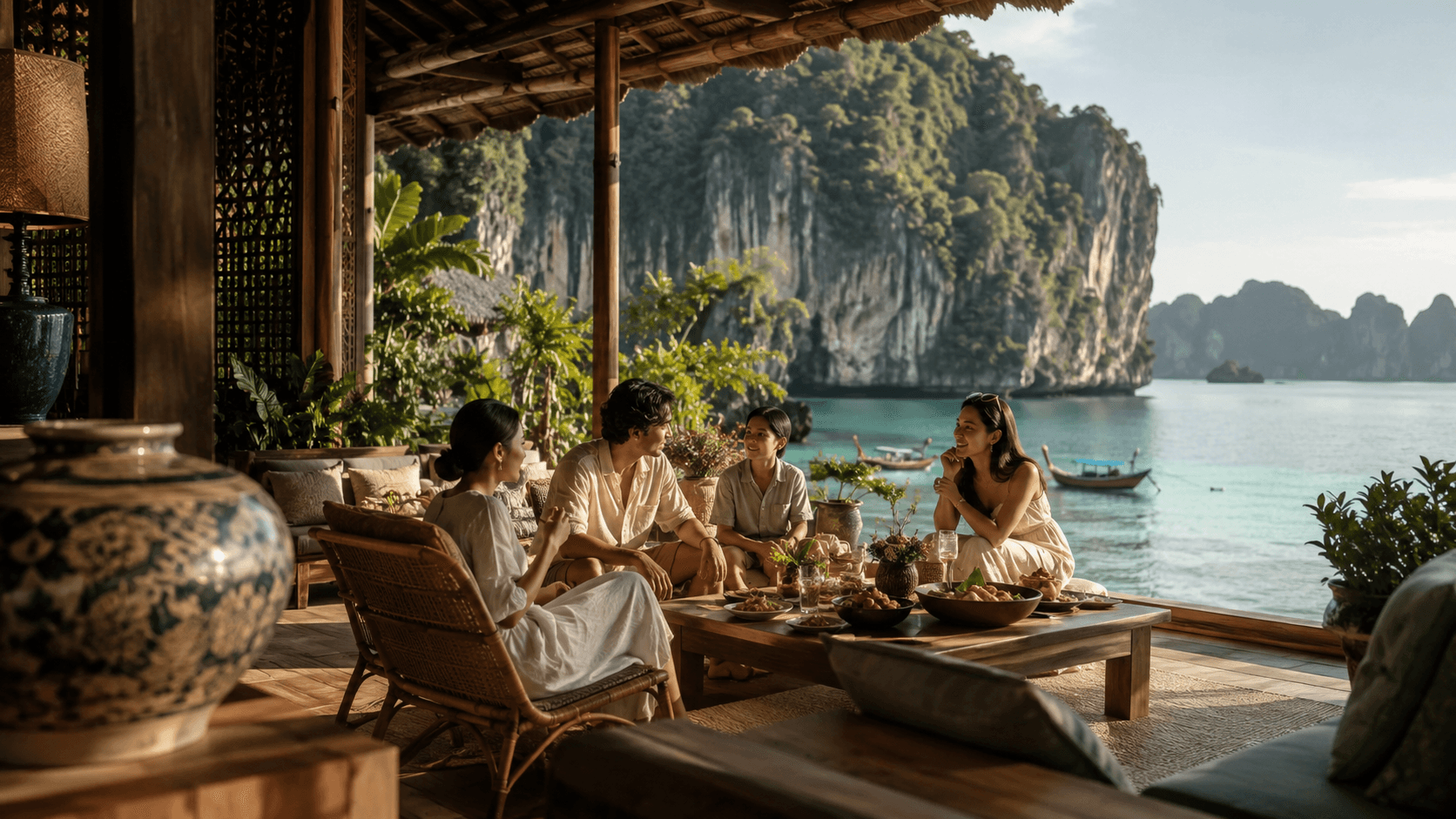
Ask most people about Thailand's islands, and they'll picture a beach. That's only the beginning. Along this coastline, a premium hospitality culture has grown alongside a genuine long-stay lifestyle. A province once known only for its scenery has become a national model for responsible tourism. And quiet wellness communities have developed over decades on coastlines many visitors know only by reputation.
Thailand's islands are not one undifferentiated stretch of sand. They are a set of distinct destinations — each with its own pace, purpose, and personality.
A Coast of Many Characters
From premium resort islands to quiet nature retreats, Thailand's coastline reflects far more variety than a single "beach destination" label allows.
Wellness and Slow Living
Long before "wellness travel" became a global trend, parts of Thailand's coast were already living it.
Protected, Not Just Photographed
Thailand's islands are actively managed and protected, not simply left for visitors to discover.
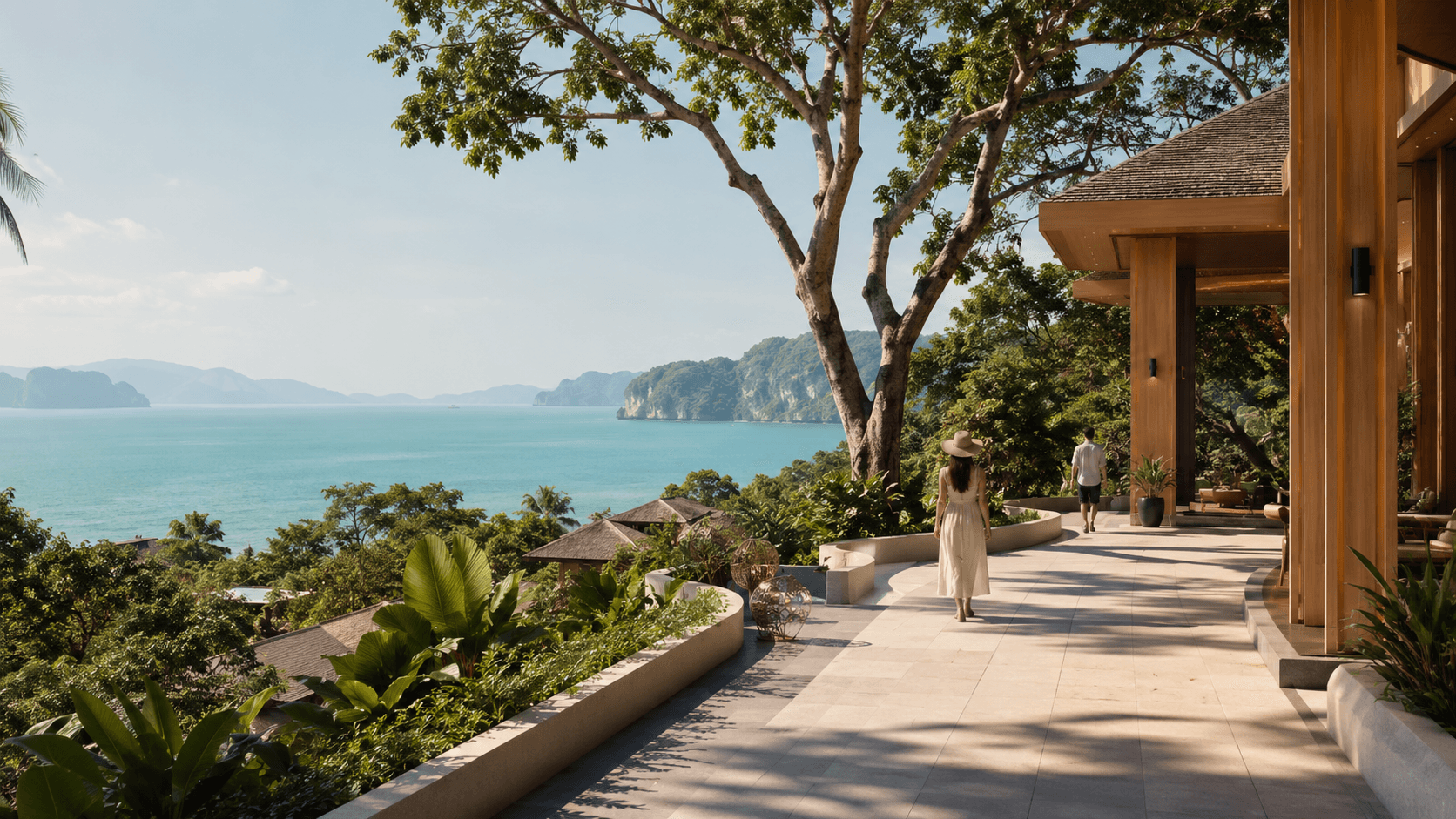
A National Direction Toward Value
Thailand's tourism strategy for 2026 is built around a framework the Tourism Authority of Thailand calls the Amazing 5 Economy, guided by a “Value over Volume” approach — a deliberate shift from counting visitors to elevating the quality of what each visitor experiences. Under TAT's “Thailand Tourism Next” roadmap, the country has set a target of up to 3 trillion baht in tourism revenue — an ambition for the years ahead, not a result already achieved.
Amazing 5 Economy
TAT's current strategic framework for Thailand's tourism direction, spanning wellness, culture, sustainability, and quality-led growth.
Value over Volume
A national shift toward higher-value, higher-quality travel experiences, rather than sheer visitor numbers.
Thailand Tourism Next
TAT's 2026 roadmap, targeting up to 3 trillion baht in tourism revenue as an ambition for the years ahead — a target, not an achieved result.
Healing is the New Luxury
TAT's global wellness campaign, positioning meaningful, restorative travel as one of Thailand's core strengths.
A Place to Heal and Slow Down
From boutique retreats to a decades-old wellness community, Thailand's coast supports genuine slow living.
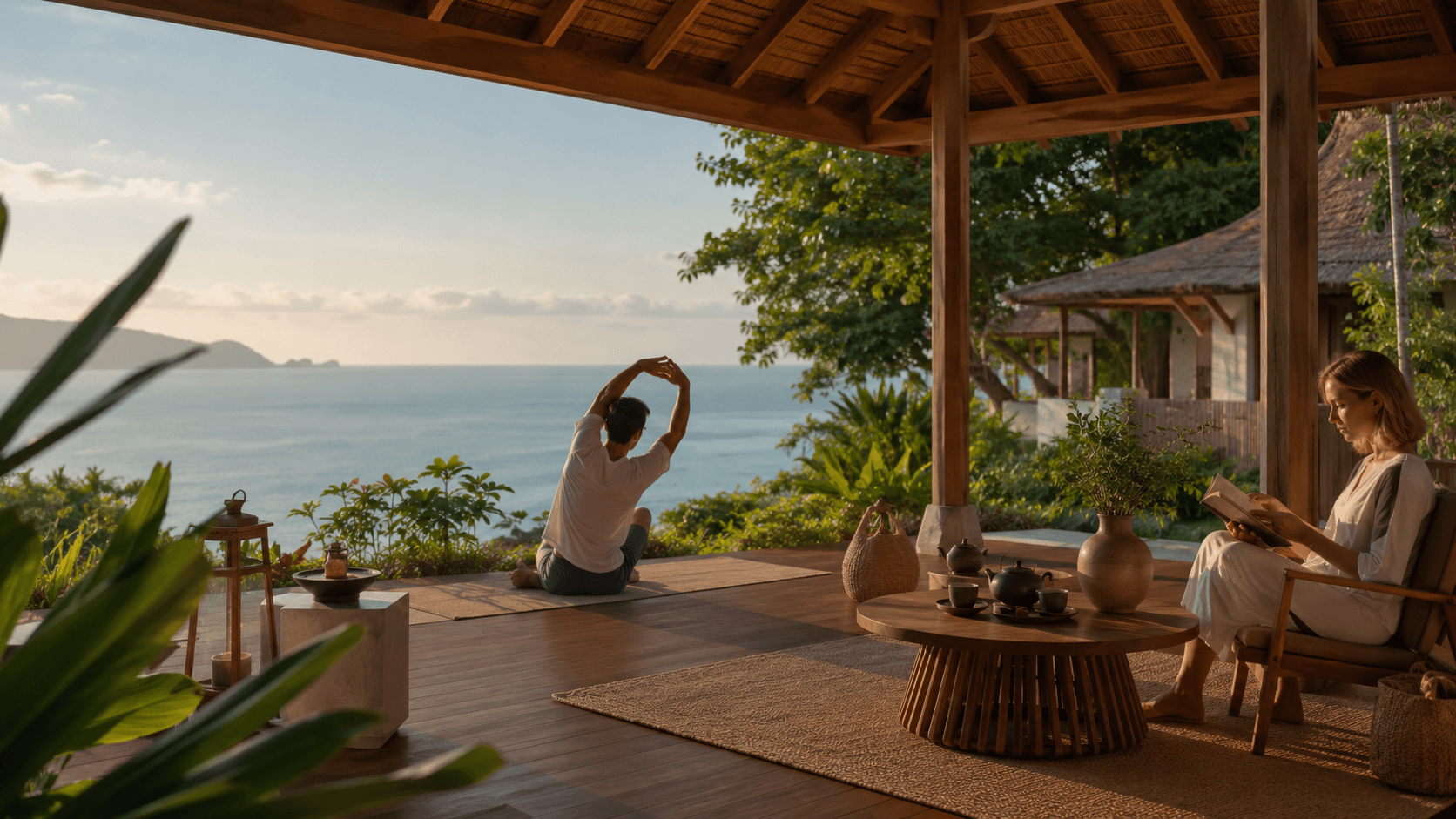
Some of Thailand's most restorative places sit quietly along its coastline. Koh Samui has become known for its boutique wellness retreats and refined, laid-back pace. On another island's western coast, a wellness and yoga community has grown steadily over more than two decades — entirely apart from that island's better-known reputation elsewhere. This coastline also supports longer stays: destinations like Phuket and Hua Hin have each developed a reputation as long-stay and retirement-friendly places, supported by established international healthcare and hospitality infrastructure.
Boutique Wellness Retreats
Refined, laid-back wellness hospitality, best known on islands like Koh Samui.
A Quiet Retreat Community
A wellness and yoga community with decades of history, developed away from the coast's more familiar reputation.
Long-Stay Coastal Living
Established international healthcare and hospitality infrastructure support extended stays and retirement-style living.
Healing is the New Luxury
Thailand's wellness campaign reflects a coastline built for restoration, not just recreation.
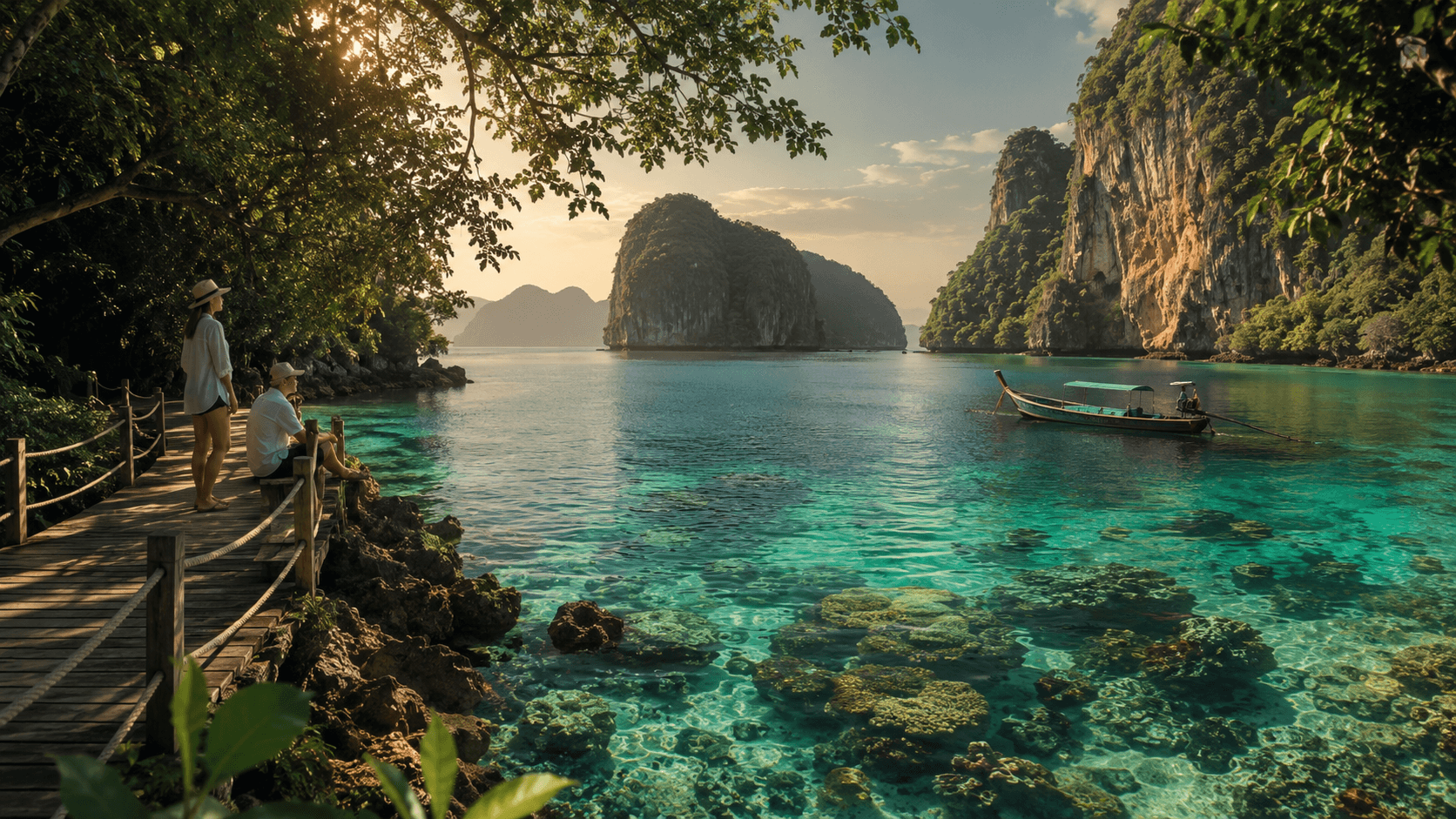
Protecting What Makes These Islands Extraordinary
The Similan and Surin Islands close to visitors for several months each year during the monsoon season, allowing their marine ecosystems to recover. Maya Bay reopened only after an extended closure and rehabilitation program, and now operates under strict visitor rules designed to protect its ongoing recovery. On Koh Tao, dive operators carry out coral restoration work with official authorization from Thailand's Department of Marine and Coastal Resources. In Krabi, TAT has showcased a regenerative-tourism model built around coastal conservation, community participation, and low-impact travel.
Seasonal Protection
The Similan and Surin Islands close for several months each year to protect their marine ecosystems.
A Recovery Story
Maya Bay's rehabilitation and strict visitor rules reflect a genuine commitment to protecting its recovery.
Government-Authorized Conservation
Coral restoration work on Koh Tao is carried out with official authorization from Thailand's marine conservation authorities.
A Model for Responsible Travel
Krabi has been showcased by TAT as a model for regenerative, community-centered tourism.
Every Coastline Has Its Own Character
From premium hospitality to quiet family escapes, Thailand's coast offers many different experiences.
Phuket
Premium hospitality, an established marina and yachting scene, and a well-connected international gateway make Phuket one of Thailand's most complete coastal destinations.
Krabi
Towering limestone landscapes and a genuine direction toward regenerative tourism set Krabi apart as a model for responsible coastal travel.
Koh Samui
Boutique hospitality and a refined, wellness-oriented pace define Koh Samui's identity as a slow island escape.
Koh Tao
A destination for marine learning, diving, and coral restoration carried out with official conservation authorization.
Koh Lanta
A slower, more understated rhythm makes Koh Lanta a comfortable choice for family and nature-oriented coastal travel.
Koh Chang
Thailand's second-largest island offers a quieter, nature-forward island escape with extensive national park coverage.
Koh Samet
An accessible coastal escape within easy reach of Bangkok, well-suited to shorter island getaways.
Hua Hin / Cha-am
Thailand's original seaside resort towns, associated with a calm, family-first hospitality tradition dating back to the 1920s.
Phang Nga Bay
A dramatic, nationally protected bay known for its karst scenery and boutique island resorts.
Trang / Satun / Andaman Coast
Home to Satun, Thailand's first UNESCO Global Geopark, and a quieter, nature-led stretch of the Andaman coast.
Phi Phi Islands
An internationally recognized destination now guided by strict visitor rules that protect its ongoing marine recovery.
Koh Phangan
Home to one of the region's most established wellness and yoga retreat communities, developed over more than two decades along its western coast.
A Welcoming Coast for Every Family
Family-friendly destinations and halal-friendly options in select coastal areas.
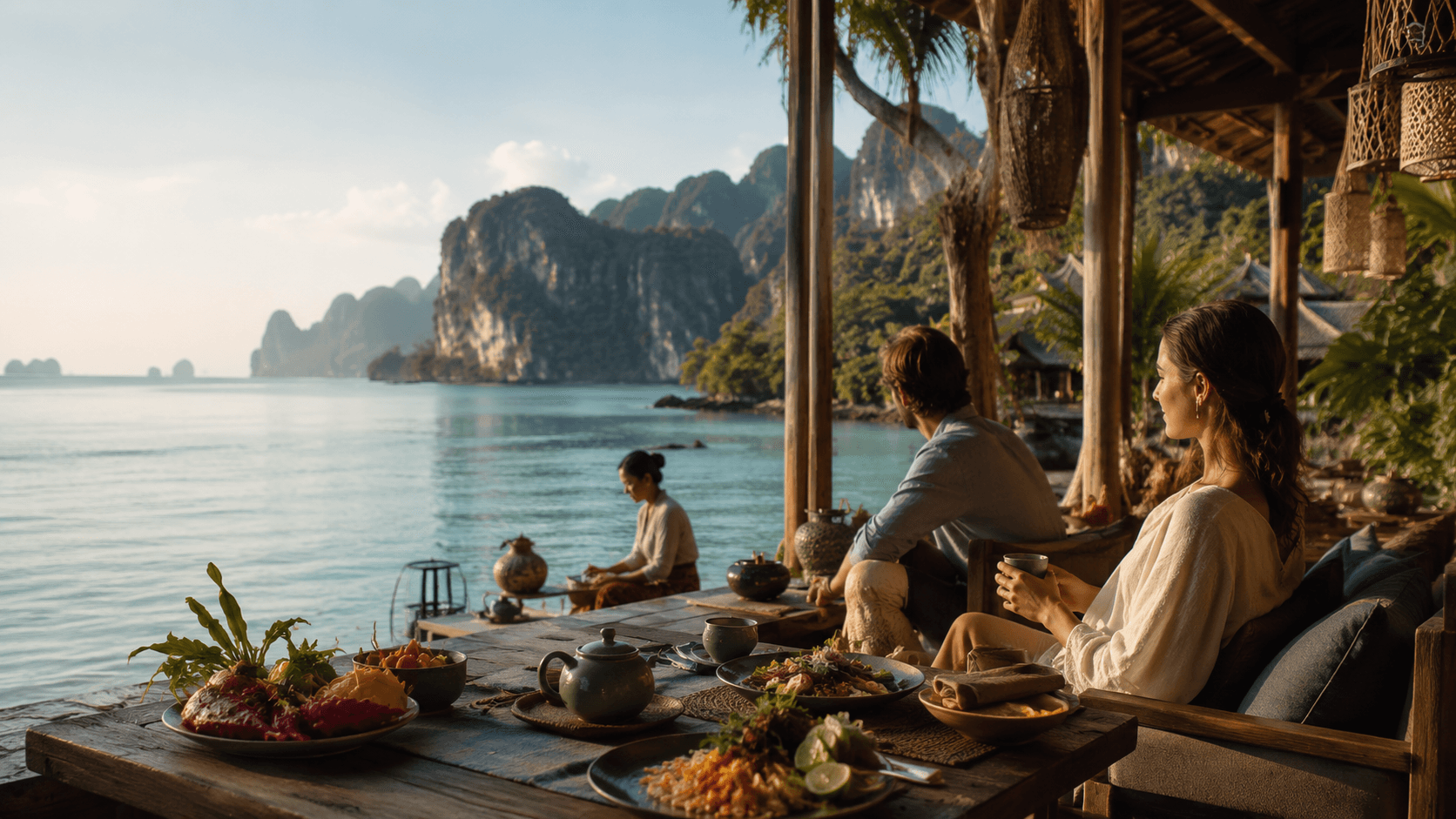
Thailand's coast has long welcomed families. Hua Hin and Cha-am, in particular, have built their identity around calm, family-first hospitality since Thailand's earliest seaside-resort era. For Muslim-conscious travelers, halal-friendly dining and hospitality options are available in select coastal destinations, including Phuket and Krabi. Travelers are encouraged to verify specific restaurants and services directly rather than assume availability everywhere. For a closer look at Thailand's halal-friendly food and hospitality landscape, explore T3's dedicated Food and Halal guide.
A Family-First Tradition
Hua Hin and Cha-am have built a reputation for calm, family-friendly coastal living since the 1920s.
Halal-Friendly Options, by Destination
Select coastal destinations, including Phuket and Krabi, offer halal-friendly dining and hospitality.
Verify Before You Go
Muslim-conscious travelers are encouraged to confirm specific restaurants and services directly.
Thailand's Food Culture, by the Coast
Thailand's celebrated food culture extends naturally into its coastal destinations.
A Coastal Economy Beyond Tourism
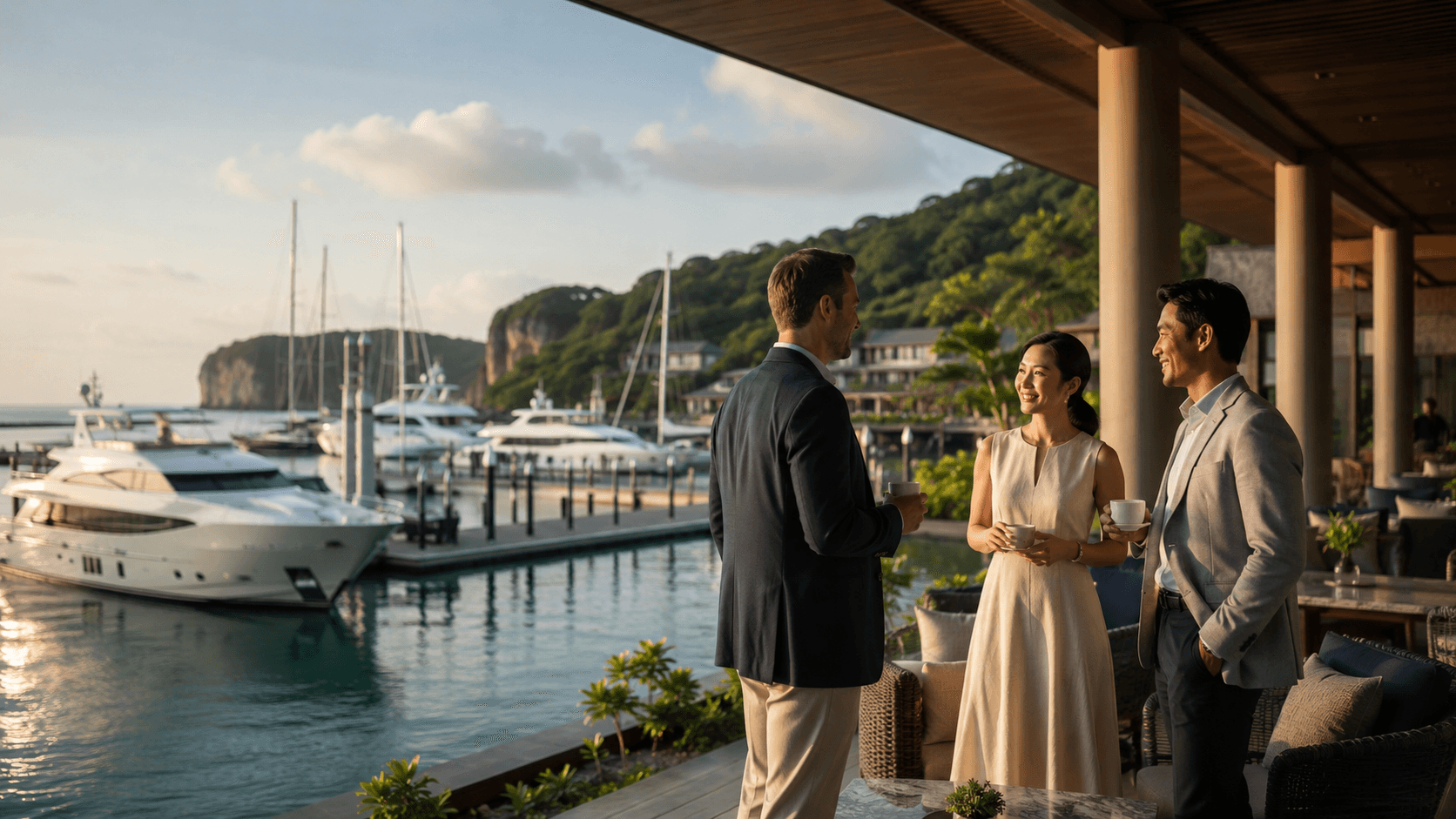
Thailand's coast is not only a travel destination — parts of it are also a serious business landscape, entirely separate from island tourism itself. Phuket has developed an established marina and yachting economy. Further along Thailand's eastern coastline, the Eastern Economic Corridor — spanning Chonburi, Rayong, and Chachoengsao provinces — represents a government-backed investment zone administered by the Eastern Economic Corridor Office, with infrastructure development including the redevelopment of U-Tapao International Airport as a growing aviation and logistics hub. This is a business and infrastructure story, not a claim about beach tourism itself — T3 does not offer legal, real estate, or investment advice of any kind.
A Marina and Yachting Economy
Phuket's established marinas support an international yachting and lifestyle scene.
The Eastern Economic Corridor
A government-backed investment zone spanning Chonburi, Rayong, and Chachoengsao, distinct from coastal tourism.
Growing Infrastructure
Ongoing development, including U-Tapao International Airport's redevelopment as an aviation and logistics hub.
A Geopark, and a Model for Responsible Travel
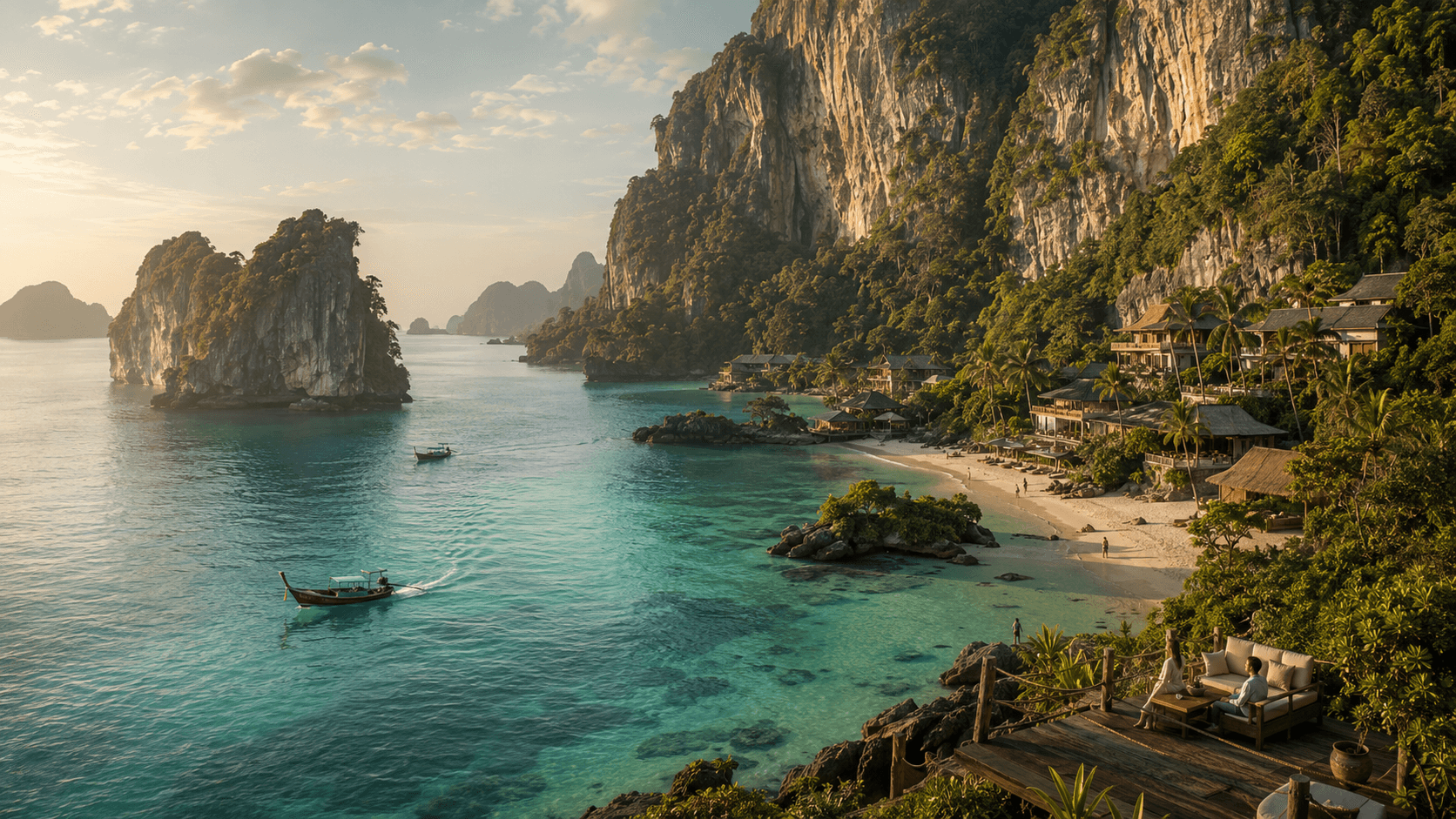
In the far south of Thailand's Andaman coast, Satun holds a distinction no other Thai destination currently claims: recognition as Thailand's first UNESCO Global Geopark, a designation it has held since 2018. The Geopark's landscape, including Tarutao National Park, reflects a deep geological and natural heritage rarely associated with typical island tourism. Together with Krabi's own showcased model for regenerative tourism, the Andaman coast represents a quieter, more deliberate side of Thailand's islands.
Explore More of Thailand
Tourism Beyond Tourism
Discover how Thailand's identity extends far beyond tourism, into business, culture, and everyday life.
Culture & Heritage
Go deeper into the traditions, festivals, and heritage that shape Thailand's identity.
Food & Halal
Discover Thailand's culinary identity and halal-friendly travel options in more detail.
Business in Thailand
Learn more about Thailand's business environment and opportunity landscape.
Invest in Thailand
See why investors and founders are choosing Thailand as their next base.
ASEAN Gateway
Understand Thailand's role as a connection point to the wider ASEAN region.
Knowledge Hub
Browse T3's full library of insights, guides, and stories about Thailand.
Partner With T3
Bring your organization, association, or institution into Thailand's story.
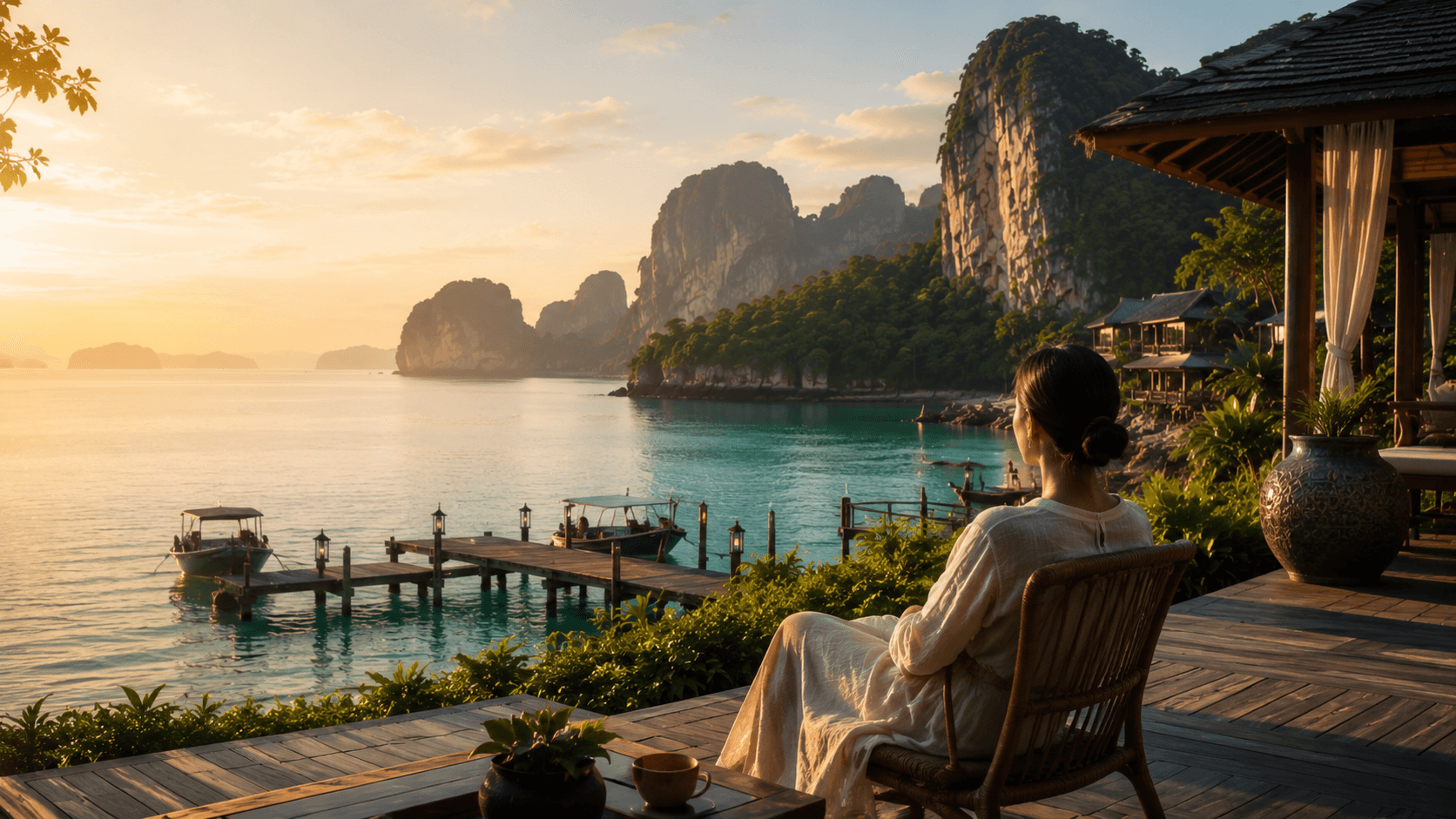
Discover Thailand's Coast, Beyond the Beach
From wellness and family travel to responsible tourism and a growing coastal business landscape, Thailand's islands offer far more than a holiday backdrop.
Tourism & Islands Directory
Find resorts, operators, and services across Thailand's islands and coastal destinations.
Island Resorts & Hotels
Resorts and hotels across Thailand's islands and coastal destinations.
Browse →
Wellness & Retreat Centers
Spas, wellness retreats, and holistic health centers set in Thailand's island and coastal locations.
Browse →
Tour Operators & Island-Hopping
Operators running island-hopping trips, boat charters, and multi-island itineraries.
Browse →
Dive Centers & Marine Activities
Dive schools, snorkeling operators, and marine activity providers across Thailand's dive destinations.
Browse →
Eco-Tourism & Conservation Groups
Organizations promoting responsible travel and marine or environmental conservation on Thailand's islands.
Browse →
Long-Stay & Real Estate Services
Property and real-estate services supporting long-stay visitors and residents on Thailand's islands.
Browse →
1. Travel Mood
2. Number of Days
3. Travel Group
4. Budget Level
5. Arrival Base / Region
6. Special Needs (optional, select any)
Recommended Route
Family-Friendly Single-Region Base
For most family trips, a single well-connected base with day-trip options works more smoothly than a long multi-island route, especially when traveling with children.
Suggested Duration
5–8 days
Practical Planning Notes
- Choose one base region and add day trips rather than changing hotels often.
- Ask about family room configurations and children's amenities directly with accommodation.
What to Avoid
- Avoid an itinerary that changes hotels every night with young children.
- Avoid relying on a single tight ferry connection without a backup plan.
Related T3 Pages
Planning guidance only. This tool does not confirm a booking, and does not provide a safety guarantee, medical claim, halal-certification claim, or official schedule guarantee. Always confirm current details directly with your accommodation, transport provider, or the relevant local authority before you travel.